
Weekly Market Report - August 20, 2026
- 11 minutes ago
- 6 min read
***
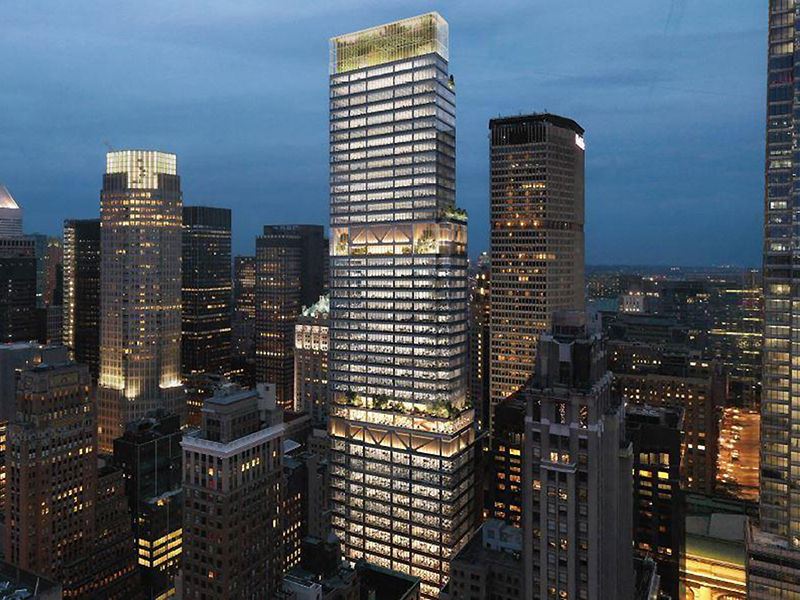
3 Park Avenue, a long-struggling tower, shows signs of revival as Manhattan office demand surges, reaching levels last seen during the dot-com boom. The building, which spans approximately 900,000 square feet, exited special servicing last month after nearly two years, having faced potential default on its $182 million mortgage. Despite still being over 50% vacant early in the year, with a significant portion of existing leases expiring soon, its status was upgraded. Owner Charles Cohen, whose family developed the tower in 1975, is optimistic about recent leasing momentum, with offers for four full floors totaling around 100,000 square feet.
Manhattan's office leasing has surged 22% recently, and available supply has dipped to the lowest since September 2020. 3 Park's attractive features, such as 12 corner offices per floor, may entice new tenants. Other buildings, like the Paramount Building in Times Square, are also experiencing improved vacancy rates, signaling a broader recovery in the commercial real estate market despite Cohen's recent losses and challenges.
***
New York's office market experienced a significant surge in July, with leasing activity surpassing the five- and ten-year monthly averages as it continues its post-Covid recovery. Manhattan saw a 22.1% increase in leasing from June and a 28.4% rise compared to July 2025, totaling approximately 3.9 million square feet leased. July's momentum reflects the sector's strongest performance since 2000, marked by reduced availability and the highest pricing in six years.
Key leases included Anthropic at 465,600 square feet and Snap Inc. with a 200,000-square-foot sublease. The availability rate fell to 12.7%, with total supply at 66.2 million square feet and average asking rent unchanged at $78.03 per square foot. Midtown leasing rose to 1.5 million square feet, with significant renewals from NBCUniversal and Comcast, while Midtown South saw 1.9 million square feet leased despite a slight month-over-month decline. Downtown leasing increased to 460,000 square feet, driven by Aon and The Glasshouse.
***
Asking rents for office and retail spaces in prime Manhattan have significantly increased this year, reflecting a strong recovery in both sectors post-pandemic. Luxury retail space shortages have driven asking rents to record highs, especially in SoHo, where rents reached $1,411 per square foot. The gap between asking and taking rents in both SoHo and Madison Avenue narrowed to 85%-90%, suggesting that landlords and tenants agree on fair pricing, which is considered healthy for retail. The Meatpacking District has seen spillover demand from these strong corridors, with historically low availabilities noted.
Apparel and food/beverage tenants were key drivers, accounting for 650,000 square feet of leasing activity in early 2026. Similarly, the office market is tightening, with AI firms leading leasing efforts and many tenants renewing contracts early, indicating a continued decrease in office availabilities. The average Manhattan office rent rose 3% year over year in the first half of 2026, with expectations for an overall increase of 5%-6% by year-end as owners have already raised rents across nearly 6 million square feet of space. This shift signals potential growth for lesser-known areas as prime space fills up. Overall, both sectors are poised for continued expansion and realignment in the post-recovery landscape.
***
Cannabis dispensaries in New York have transformed from a risky investment for landlords to a booming retail opportunity. An analysis by The Real Deal reported a 108 percent increase in dispensary openings in 2025, making it the fastest-growing retail sector. Initially, the state's legal cannabis rollout faced delays post-2021 legalization, resulting in a scarcity of licensed dispensaries despite the rise of unlicensed shops. However, as the state began issuing more licenses, 42 shops opened in 2023, 53 in 2024, and 96 by the end of 2025, with only seven closures. Improved capital backing has made dispensary operators more sophisticated, actively seeking leases at premium rates, with prices in prime areas ranging from $100 to $150 per square foot.
This trend has also increased access for consumers as more dispensaries opened, creating more convenient options. Notably, dispensaries have increasingly occupied spaces previously held by restaurants, banks, and convenience stores. The ongoing rise in dispensary establishment signifies a maturing market, prompting landlords to reconsider the risks associated with cannabis tenants as they integrate more fully into New York's retail landscape. By July 2023, 75 new dispensaries were already in operation, indicating sustained growth.
***
A joint venture has been formed by Vornado Realty Trust, Rudin Management, and an affiliate of Ken Griffin’s Citadel to develop a $6.2 billion skyscraper at 350 Park Ave. The project will consist of a 1.9 million-square-foot tower, which will serve as Citadel's main New York office, leasing over half the space under a 15-year agreement. Following concerns raised by Mayor Zohran Mamdani regarding Griffin's luxury apartment purchase and potential taxes, this commitment comes amid doubts about Citadel's NYC expansion. The joint venture will have Griffin’s affiliate owning 60%, while Vornado and Rudin hold 36% and 4%, respectively. Financing includes a $3.3 billion construction loan, with Vornado contributing $500 million for land and an additional $400 million for development.
***
The Trump family is reentering real estate with 1789 Capital, an investment firm where Donald Trump Jr. is a partner. The firm has launched a $1.2 billion real estate fund, shifting its strategy from core investments in technology, defense, and manufacturing. The fund aims to target multifamily and workforce housing across the Sun Belt, including Florida and Texas, while also considering investments in digital infrastructure like data centers. Although Donald Trump does not sit on the investment committee for the growth equity fund, he will be involved in decisions for the real estate fund.
The company anticipates returns exceeding 30 percent and aims for a total capitalization of $8 billion through various investments. They plan to use co-investments and debt arrangements and are partnering with Easton Street for project development, which will reduce outsourced fees. 1789 Capital manages over $3 billion in assets, with around 40 percent of its investors being foreign. The firm's previous successful investments include Polymarket, GrabAGun, and a $1 billion fund for South Florida real estate development alongside Frisbie Group.
***
David and Michael Shabsels sought to raise $200 million in debt from the Israeli market in 2025, reminiscent of American developers' earlier efforts. After a previous retreat due to defaults and new oversight regulations, foreign issuance in Israel surged to $4 billion, largely from real estate firms. Simad Holdings, founded by the Shabselses, entered the market by promoting refinancing of summer camps. However, just six months post-bond issuance, Simad defaulted on payments after revealing financial mismanagement, including the transfer of $34 million to their control. This collapse raised questions about the effectiveness of regulatory reforms in Israel, with a lack of comprehensive financial oversight evident.
Notably, a similar pattern had emerged during earlier decades, where U.S. developers found favorable conditions in Israel but faced subsequent defaults leading to greater scrutiny from the Israel Securities Authority (ISA). The ISA proposed reforms that risked driving foreign firms to bankruptcy, leading to pushback. Consequently, new regulations required foreign issuers to maintain a board majority of Israeli members to avoid negative labeling. Despite this, Simad's cleverly structured board circumvented scrutiny. The ongoing investigations into Simad’s operations reflect a continuing tension and potential lapses in the regulatory landscape, aiming to protect Israeli investors amid increasing challenges.
***
Manhattan’s rent remained at a record high last month, with the median rent for market-rate residential buildings holding steady at $5,295 in July, a 6% annual increase. The average Manhattan apartment rent reached an all-time high of $6,655, with studios and one-bedrooms hitting $4,088 and $5,486 respectively. This surge in prices coincided with a significant drop in supply, as active listings fell to 5,198—down 22% year-over-year and the lowest July inventory since 2019. Manhattan's vacancy rate was around 1.6%, a slight increase from June.
Gary Malin of Corcoran noted a growing demand against shrinking supply, creating a competitive market. In contrast, Brooklyn's median rent slightly declined to $4,257, though it still exceeded last year’s peak. Active listings in Brooklyn rose minimally to 4,492 but were down 8.6% compared to the previous year, leaving renters with fewer options. Malin emphasized the pressures renters face in both boroughs amid ongoing demand and limited inventory.


Comments